
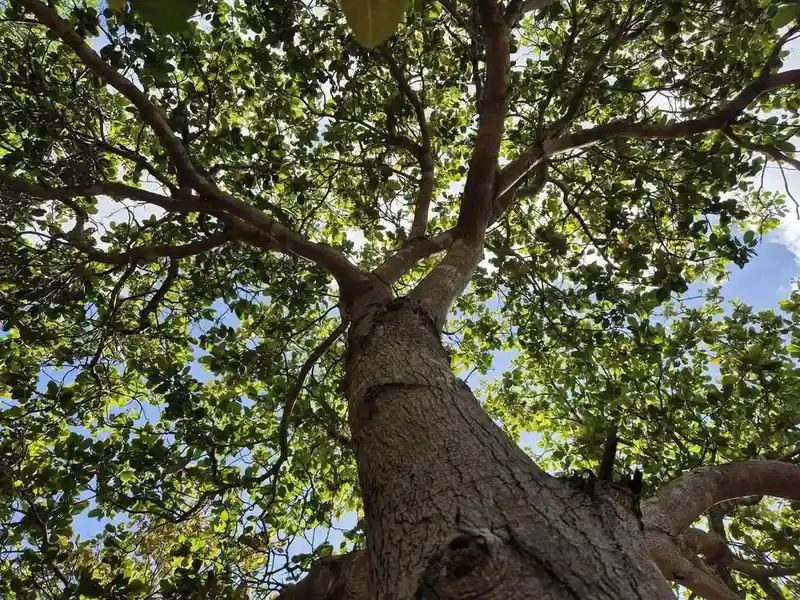
Hazardous Tree Removal
The trees that have become dangerous, taken down safely in Springfield, MO
4.9 on Google · 75 reviews · BBB A+ · Licensed & insured · Senior, military and first responder discounts

During major storms, emergency calls are prioritized by severity. This means we respond first to the situations with the greatest safety risk, such as trees on homes, trees blocking critical access, trees near power lines, or unstable trees that may cause immediate harm.
Every customer matters to us. During widespread storm damage, response times may vary, but our goal is always to show up when it matters most, communicate clearly, and help each customer as quickly and safely as possible.
You may need emergency tree service if:
- A tree has fallen on your home, garage, fence, or vehicle
- A tree or large limb is blocking your driveway or road
- A tree is leaning suddenly after a storm
- Large limbs are cracked, hanging, or broken
- A tree is touching or near power lines
- The trunk has split or cracked
- Roots have lifted and the tree is unstable
- Storm damage has created a safety hazard
- A tree is threatening nearby structures or people
Emergency tree service questions
How quickly can a crew arrive after I call the emergency line?
Response time depends on call volume during active storm events, but crews prioritize trees actively threatening structures or blocking critical access, often arriving within hours rather than days once weather conditions allow safe rigging work.
What counts as an emergency versus a tree that can wait for regular scheduling?
Trees with visible cracks through the trunk, lean angles that have changed noticeably after a storm, or canopies resting on roofs require immediate attention, while trees showing general decline or minor limb damage can typically be scheduled during business hours without additional risk.
Will the removal process damage my yard or landscaping around the tree?
Crews use rigging to control where each section lands, and heavy equipment is positioned to avoid flower beds and hardscaping when site conditions allow, though some ground disturbance near the trunk is unavoidable when removing large root plates from saturated soil.
What happens if the tree has already fallen onto my house or garage?
Partially collapsed trees are stabilized first to prevent further shifting, then sectioned from the top down to relieve weight on the structure gradually, allowing controlled removal without additional impact force that could worsen roof or siding damage.
How is debris handled when the tree is removed in the middle of the night?
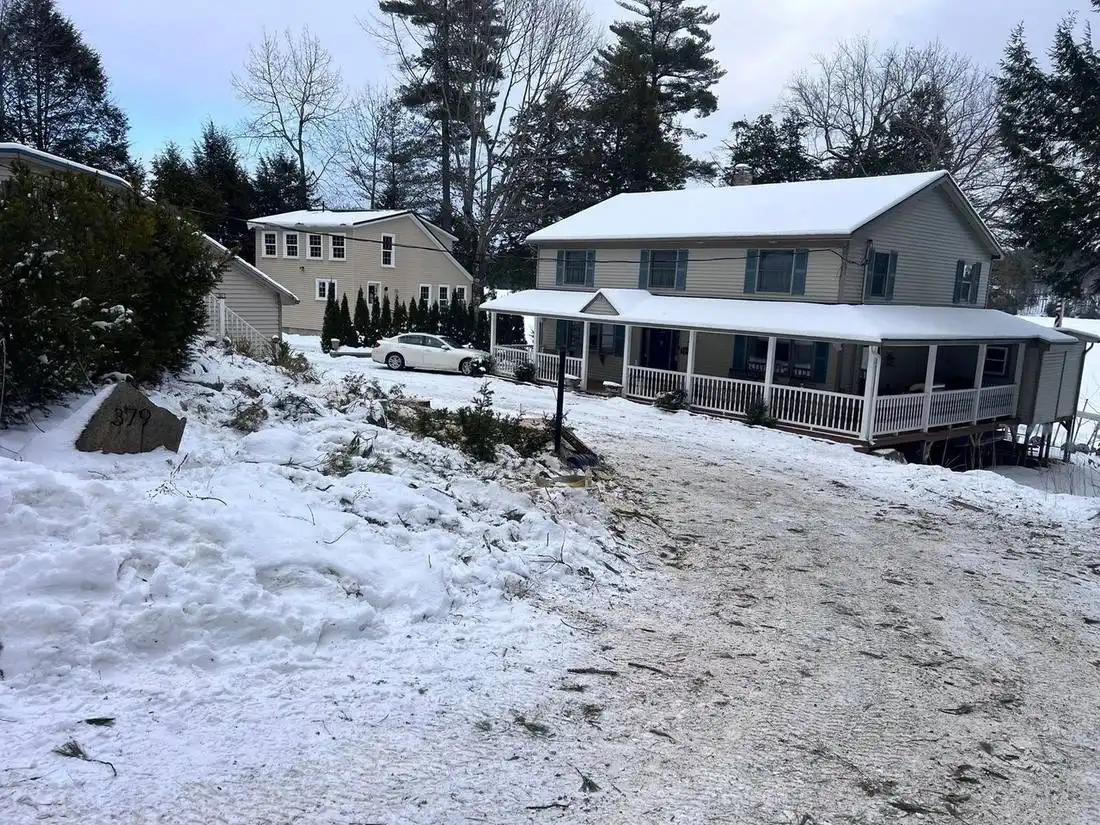
All cut wood, branches, and canopy material is hauled away as part of the emergency service, leaving your property clear enough to walk safely and assess any secondary damage once daylight returns.
Call For Emergency Tree ServiceWe prioritize emergency calls by safety risk during major storms.
The rest of the job
Ready to deal with that tree?
Free estimate, a fair number, and the job done right.